

Handling of claims and disputes
CLAIMS & DISPUTESSHIP CLAIMS
Where a member of a P&I club, e.g. a shipowner, makes any claim against his club, the first $5 million will be met by the club’s own resources. In excess of $5 million, and up to $30 million the claim is divided among the member clubs in the International Group Pool (including the club making the claim) with a Pool Limit. For claims in excess of the Pool limit, the International Group arranges an Excess of Loss reinsurance contract in the market; this currently provides cover for $2,000 million ($2 billion) in excess of $30 million in relation to all types of claim except oil pollution, where the limit is $1,000 million ($1 billion).
The rules of most clubs require that a member gives immediate notification of any incident which could result in a claim or liability falling within the scope of the club’s cover. Once a claim or potential claim has been notified, the club takes over the investigation and handling of the claim, often with the help of its correspondents, as well as surveyors and lawyers appointed by the club.
In liaison with the member, the club will handle the claim to its conclusion.
CARGO CLAIMSWhere cargo loss or damage is discovered (usually by the receiver or consignee at the discharge port or destination), a Delivery Note or Consignment Note will be claused with a note of the loss or damage.
The cargo owner will immediately inform his insurer; if the loss or damage is found outside the UK, this is done through the local Insurance Agent .
If the loss or damage value is likely to exceed about £250, underwriters will normally ask for a Survey Report. This is arranged by Insurance Agent, who can appoint surveyors and pay small claims locally. After the claim is quantified and documented, the underwriter settles the claim through Insurance Agent.
SETTLEMENT OF DISPUTES IN SHIPPINGARBITRATION AND MEDIATIONARBITRATION
May be defined as the resolution of a dispute between contracting parties by one or more arbitrators (Lawyers) appointed by the contracting parties.
The contracting parties in shipping matters (e.g. a shipowner and charterer, a shipper and carrier, or a salvor and owner of salved property) in preference through Courts because of the following benefits over litigation(through Courts):
- Parties’ choice of arbitrator(s);
- Arbitrators are usually experts in the field, e.g. where a professional shipbroker arbitrates a charter party dispute, or a professional marine engineer arbitrates a fuel quality dispute;
- Confidentiality of hearing – only the parties, their witnesses and legal advisers are entitled to be present;
- Faster settlement;
- Lower costs;
- Less formality;
- Anonymity of parties and arbitrators
- Enforceability of arbitrators’ decisions abroad (whereas court judgements are not likely to be enforceable in foreign courts).
The leading maritime arbitration centres are London, Singapore and New York.
Arbitration clauses in shipping contracts
An Arbitration Clause is included in most standard charter party forms and usually provides that the parties agree, in the event of a dispute under the contract, to refer the matter to arbitration at a named place, and that a specified number of arbitrators will be appointed.
Mediation
Mediation is a voluntary, confidential, “without prejudice” process that uses a neutral third party to help the parties in dispute come to a mutually agreed solution without having to go to court. It differs from arbitration and the courts in that a binding decision is not imposed on the parties by an arbitrator or judge. The process allows disputing parties to work out their solution assisted by the mediator.Mediation is, to the shipping industry, a relatively new “alternative dispute resolution” (“ADR”) technique, but has gained widespread approval in other business sectors.
Claims
As most claims involve human error, these individuals can influence changing the pattern of claims in the future.
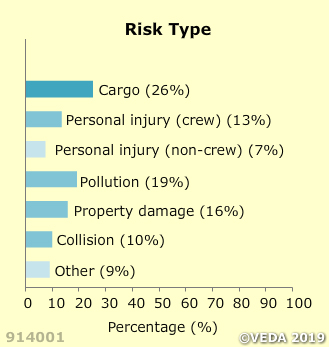
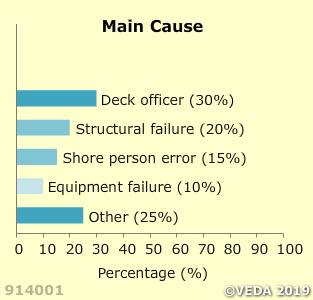
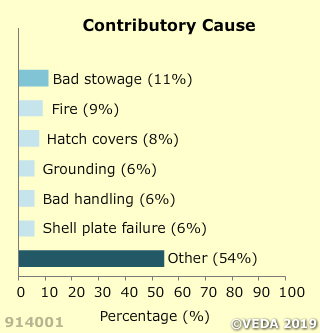
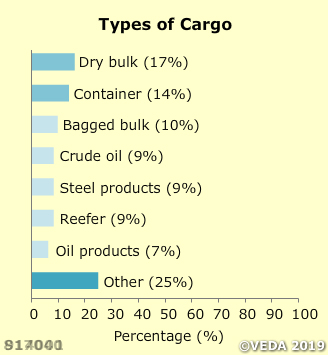

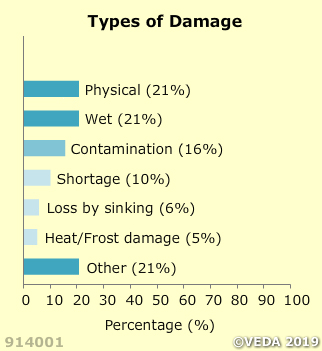
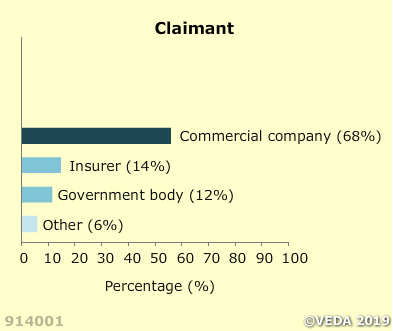
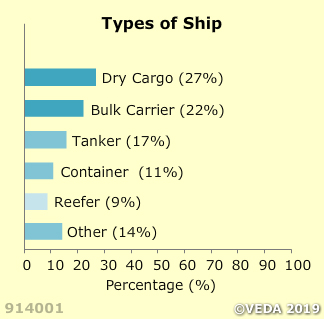
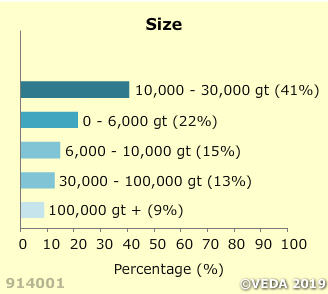
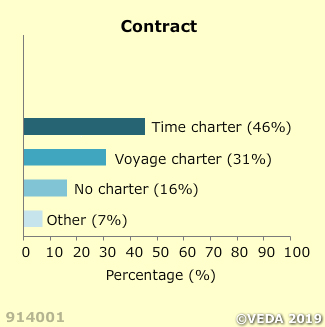
When attempting to defend a claim, evidence is of the utmost importance in proving/disproving a case. Cargo claims being the most expensive class of claim, the decision whether any of these claims could be defended, lies on the quality of evidence collected by the ship’s personnel at the time of the incident.
Judges and arbitrators place a lot of importance on documentation and other such evidence from a vessel. If good, clear and methodical records are produced, the judge and arbitrators will infer that the vessel was operated in a “seamanlike” manner. They are more likely to come to a decision in favor of the shipowner or managers.
The ship’s crew plays a major role in collecting this evidence, and with the assistance of procedures, should be able to do so proficiently. You should draft procedures for Disputes and Claims guidance on (PDF, 410kb), which explains to the shipstaff how, why and what evidence should be collected. In general, the evidence produced should include:
- Logbooks
- Master’s or others’ statements or reports
- Photographs, film footage
- Diagrams of the incident/equipment
- Reports of surveyors, consultants or lawyers
- Diary/notebooks of individuals onboard